← Back
The Legend of Heroes: Trails into Reverie cover art
CrossOver

How to play The Legend of Heroes: Trails into Reverie on Mac

Plays smoothly through CrossOver on Apple Silicon.

Overall rating: Hit or miss on Mac Β· 50% of 2 players say it runs well

Your setup
Detect your Mac to see whether The Legend of Heroes: Trails into Reverie will run.

Plays smoothly through CrossOver on Apple Silicon.

How to run The Legend of Heroes: Trails into Reverie on your Mac in 2026

Best path: CrossOver

CrossOver runs The Legend of Heroes: Trails into Reverie natively on Apple Silicon by translating DirectX to Metal. One-click install, no Windows VM, full local performance.

MethodQualityDifficultyCost
CrossOverPickGoodMedium$74 / $39/yrGet it β†—
ParallelsEstimateMedium$99/yrGet it β†—
GeForce NOWEstimateEasyFree / $9.99 /moGet it β†—

The Legend of Heroes: Trails into Reverie

Three different legends are about to unfold! Determine the fates of Rean Schwarzer, Lloyd Bannings, and the mysterious β€œC” in this climactic chapter of The Legend of Heroes series.

Trails into Reverie runs near-natively on Apple Silicon via CrossOver, maintaining a locked 60 FPS on almost all M-series hardware with minimal configuration.

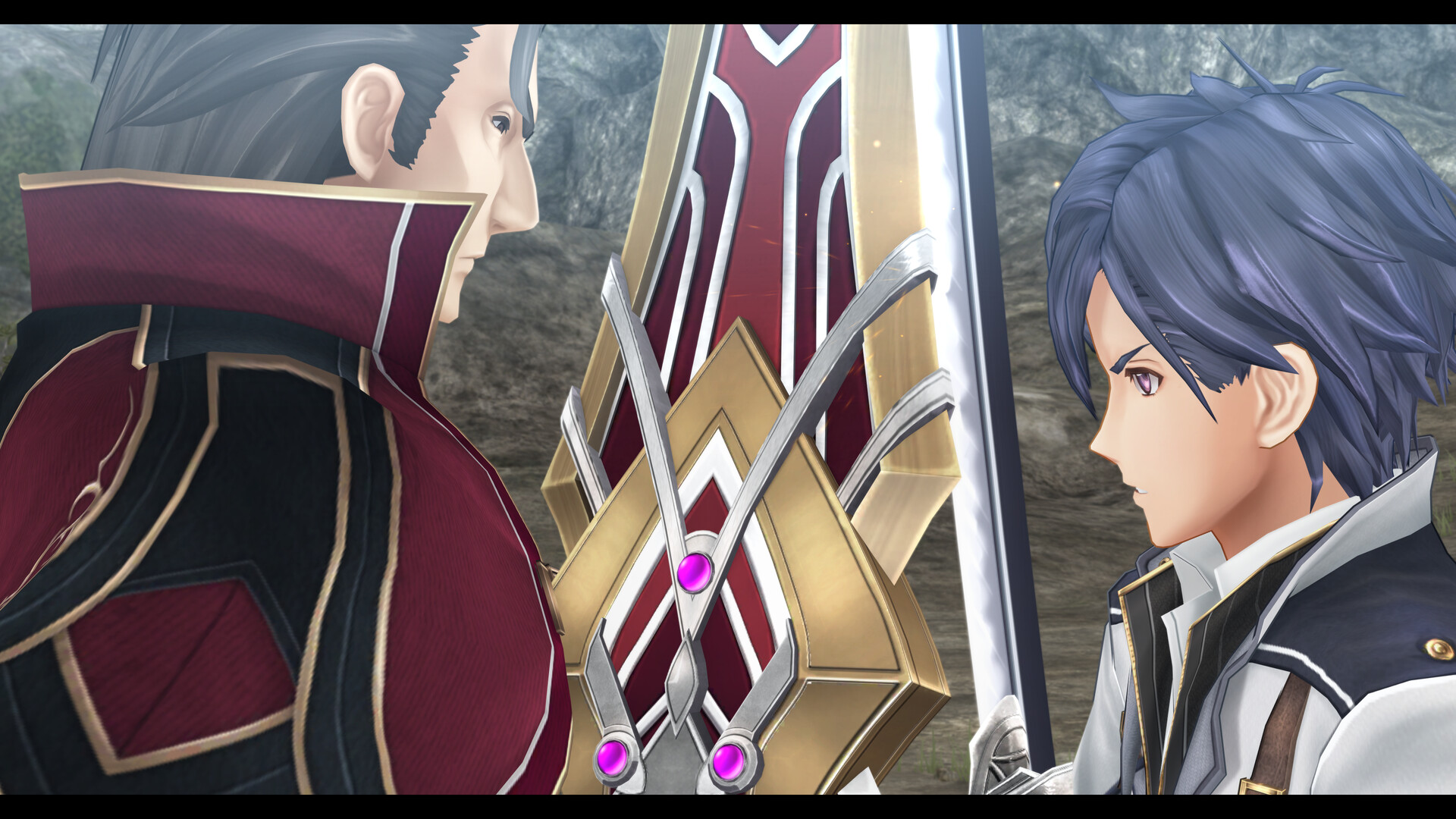
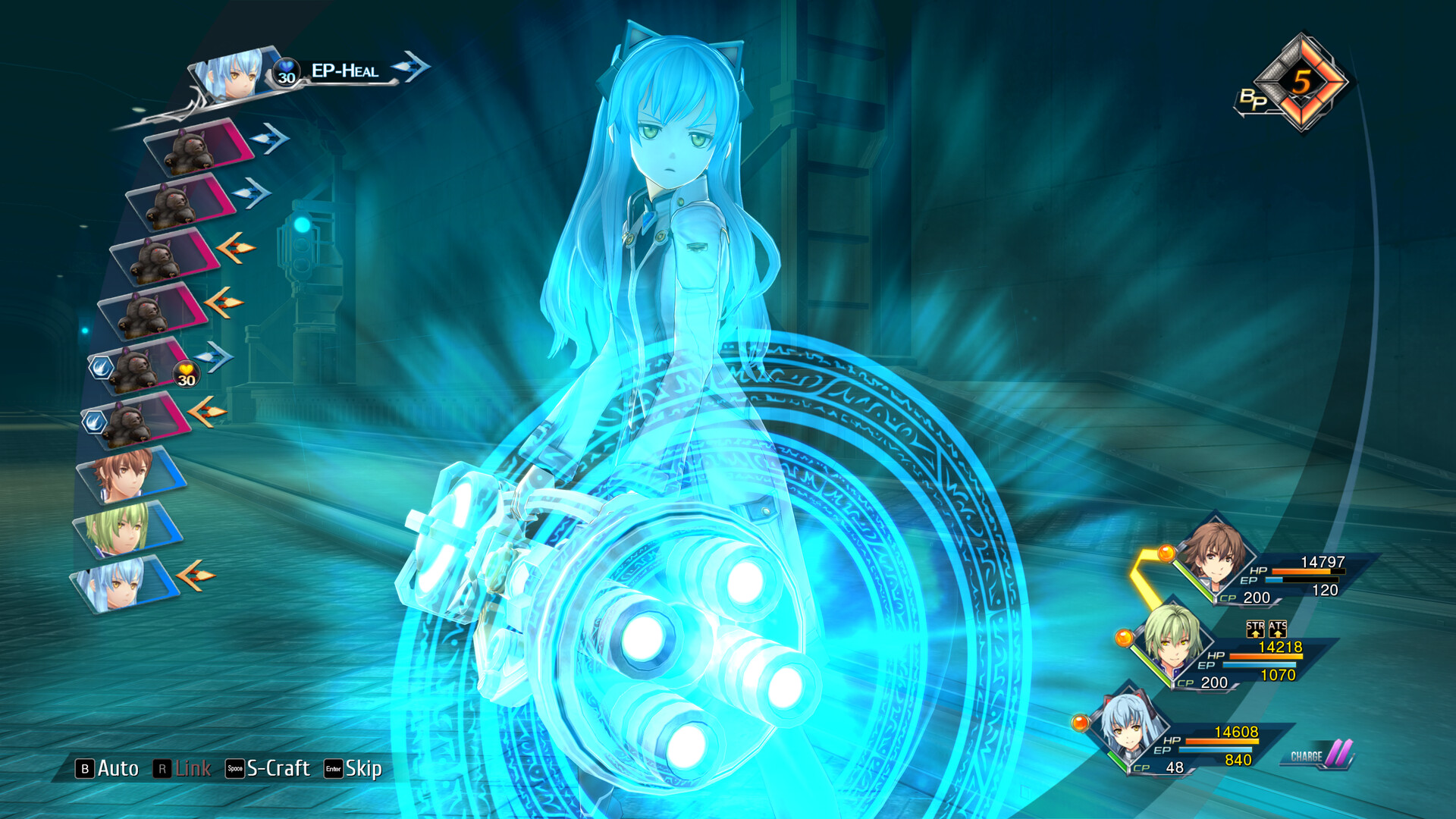
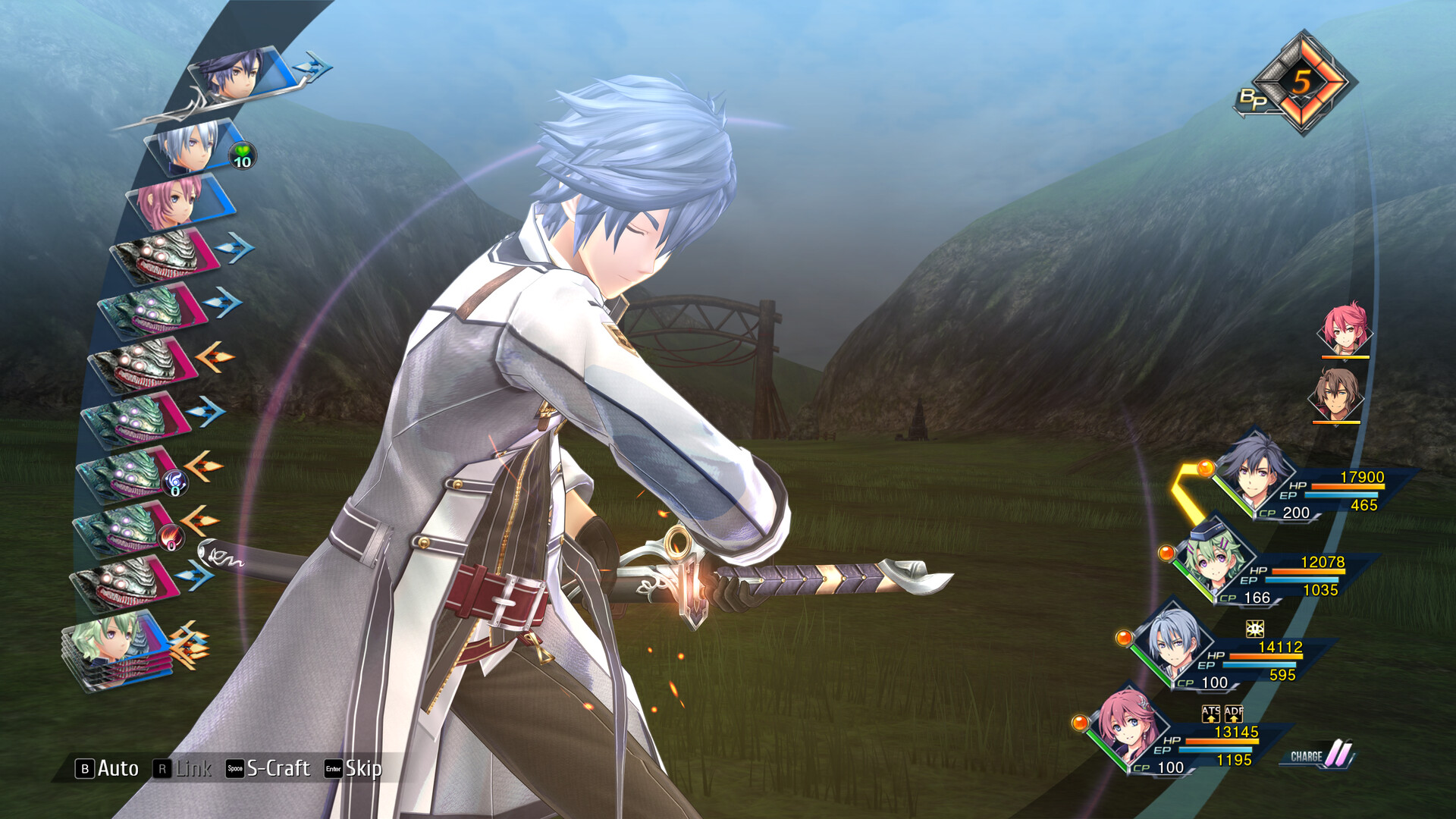
The Legend of Heroes: Trails into Reverie screenshot 1The Legend of Heroes: Trails into Reverie screenshot 2The Legend of Heroes: Trails into Reverie screenshot 3The Legend of Heroes: Trails into Reverie screenshot 4The Legend of Heroes: Trails into Reverie screenshot 5The Legend of Heroes: Trails into Reverie screenshot 6

What the world thinks

  1. Create a Bottle: Open CrossOver and create a new Windows 10 64-bit bottle named 'Reverie'.
  2. Toggle Settings: In the right-hand sidebar of the bottle settings, ensure D3DMetal (for M-series chips) is enabled. If you encounter UI flickering, try switching to DXVK instead.
  3. Install Steam: Install Steam into this bottle and download the game.
  4. Controller Support: Enable 'macOS Game Controller' support in the bottle settings to use DualSense or Xbox controllers via Bluetooth.
  • Whisky: A free, open-source alternative to CrossOver. Create a bottle, set the version to Windows 10, and enable 'ESYNC' and 'Retina Mode'. Performance is comparable to CrossOver but may lack some minor compatibility optimizations for newer macOS versions.
  • Parallels Desktop: While viable, this is not recommended due to the high overhead of virtualizing Windows 11. You will see a significant drop in FPS compared to the direct translation methods listed above.

Performance

How The Legend of Heroes: Trails into Reverie runs on your Mac, from our performance model and player reports.

See exactly how The Legend of Heroes: Trails into Reverie will run on your Mac

Pick your chip and RAM for a personalised estimate.

Best way to play it on Mac

Trails into Reverie runs near-natively on Apple Silicon via CrossOver, maintaining a locked 60 FPS on almost all M-series hardware with minimal configuration.

See if this is the right method for your setup

Ways to play The Legend of Heroes: Trails into Reverie on Mac

Here are all the options available, ranked by what we recommend first.

Compare methods at a glance

Lower = better

How each supported method stacks up on setup effort, time and runtime overhead.

  • CrossOverTranslationTop pick
    Setup
    Moderate
    Time
    15 min
    Overhead
    Medium
  • GeForce NOWCloud
    Setup
    Simple
    Time
    5 min
    Overhead
    Low
  • ParallelsVM
    Setup
    Moderate
    Time
    30 min
    Overhead
    High

Where to buy The Legend of Heroes: Trails into Reverie

Live prices compared across trusted PC key sellers β€” updates every few hours.

Platform-by-platform reliability

Loading per-platform notes…

Step-by-step setup guides

Idiot-proof walkthroughs for every method.

How to run The Legend of Heroes: Trails into Reverie on Mac with CrossOver

GoodΒ· Compatibility

Running The Legend of Heroes: Trails into Reverie through CrossOver translates its Windows DirectX calls into Metal on Apple Silicon β€” no reboot, no Windows license, no virtual machine. Most setup time is spent on first-time bottle configuration and installing the game launcher (Steam, Epic, etc.) inside CrossOver. Once that's done, launching feels close to native. Expect 15–30 minutes of setup on the first run.

Step-by-step

Step 1 β€” Create a bottle

  1. Open CrossOver β†’ click New Bottle
  2. Name it after the game (e.g. The Legend of Heroes: Trails into Reverie) and choose Windows 10 64-bit
  3. Open the bottle's Settings and set:

- Graphics: D3DMetal (not DXVK)

- Synchronization: ESync

- High Resolution Mode: Off

Step 2 β€” Install the game launcher

  1. Inside CrossOver, click Install Application β†’ search for Steam (or Epic Games Launcher if you own it there)
  2. Install it into the same bottle you just created
  3. Launch Steam, log in, and let it fully update before proceeding

Step 3 β€” Install and launch The Legend of Heroes: Trails into Reverie

  1. Open Steam (or your launcher) inside CrossOver
  2. Install The Legend of Heroes: Trails into Reverie through the launcher as normal
  3. Launch the game β€” use the launcher's Play button, not CrossOver directly
  4. First launch may take 30–90 seconds to show a window. Don't force-quit unless it hangs for several minutes.

Step 4 β€” If you hit issues

  • Black screen / stuck in small window: go to Settings β†’ Graphics in-game, set Screen Type to Fullscreen, then restart
  • Resolution resets on every launch: find the game's config/settings file and set the resolution values manually, then mark the file Read-Only to prevent the game overwriting it
  • Crashes on startup: try switching the bottle's Synchronization from ESync to MSync, or vice versa

Video proof

Try CrossOver free for 14 days β†—Affiliate link β€” supports the site at no extra cost.

How to run The Legend of Heroes: Trails into Reverie on Mac with Parallels

EstimateΒ· Compatibility

Using Parallels to play The Legend of Heroes: Trails into Reverie means running a full copy of Windows 11 ARM inside macOS. This is the most "it just works" approach for games that don't behave under CrossOver, and DirectX 11 is hardware-accelerated. You'll need a Windows license and roughly 80 GB of disk space.

Step-by-step

  1. Buy / start a trial of Parallels Desktop.
  2. Install Windows 11 ARM via the one-click wizard.
  3. Inside Windows, install Steam / Xbox app and The Legend of Heroes: Trails into Reverie.
  4. Enable DirectX 11 in Parallels settings for best 3D performance.

Video proof

Try Parallels Desktop free β†—Affiliate link β€” supports the site at no extra cost.

How to run The Legend of Heroes: Trails into Reverie on Mac with GeForce NOW

EstimateΒ· Streaming

Streaming The Legend of Heroes: Trails into Reverie through GeForce NOW is the fastest way to start playing on a Mac β€” there's nothing to install, no Windows VM, no compatibility layer. The game runs on a remote GPU and your Mac just receives the video, which means even a base M1 MacBook Air can play the most demanding AAA titles at high settings. The tradeoff is that you need a stable internet connection (ideally wired or 5GHz Wi-Fi with 25+ Mbps down) and a subscription.

Step-by-step

  1. Sign up at GeForce NOW. The free tier works; Ultimate gives 4K/120fps.
  2. Download the GeForce NOW Mac app (Apple Silicon native).
  3. Link your Steam / Epic / Xbox account that owns The Legend of Heroes: Trails into Reverie.
  4. Search the title in the app and click Play.

Video proof

Start playing on GeForce NOW β†—Affiliate link β€” supports the site at no extra cost.

Our recommendation

For most Mac players we recommend CrossOver as the fastest, smoothest way to play The Legend of Heroes: Trails into Reverie. One-click local install, official support.

MethodQualityDifficultyCost
CrossOverPickGoodMedium$74 one-time / $39/year
ParallelsEstimateMedium$99/year + Windows licence
GeForce NOWEstimateEasyFree tier / $9.99+ per month
Try CrossOver free for 14 days

Comments

Share what worked for you running The Legend of Heroes: Trails into Reverie on Mac.

Be kind. No spam.

Loading comments…

Frequently asked questions