Boosteroid
Needs 25+ Mbps internet, wired ideal.
Difficulty: MediumCost: $74 (CrossOver) + Game CostGood

· 2018
Best played by streaming from the cloud via Boosteroid.
Overall rating: Not enough votes yet
Best played by streaming from the cloud via Boosteroid.
Boosteroid streams Pummel Party from a high-end remote GPU straight to your Mac. Nothing to install, plays at high settings even on a base M1.
| Method | Quality | Difficulty | Cost | |
|---|---|---|---|---|
| BoosteroidPick | Good | Easy | $9.95 /mo | Get it ↗ |
| Parallels | Estimate | Medium | $99/yr | Get it ↗ |
Heads up: Boosteroid streams the game but doesn't include a copy — you'll still need to own Pummel Party on a supported store (AllKeyShop).
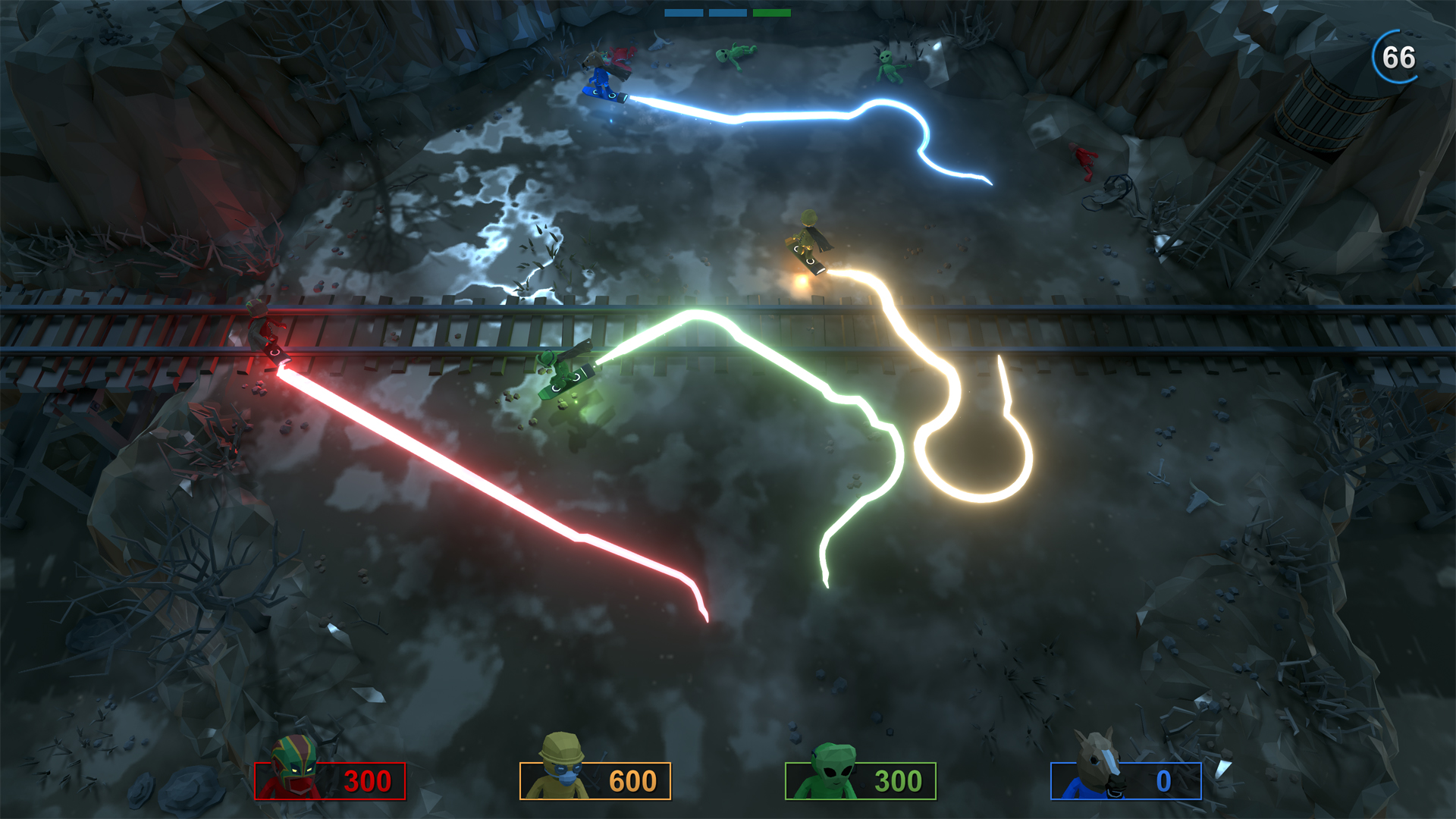
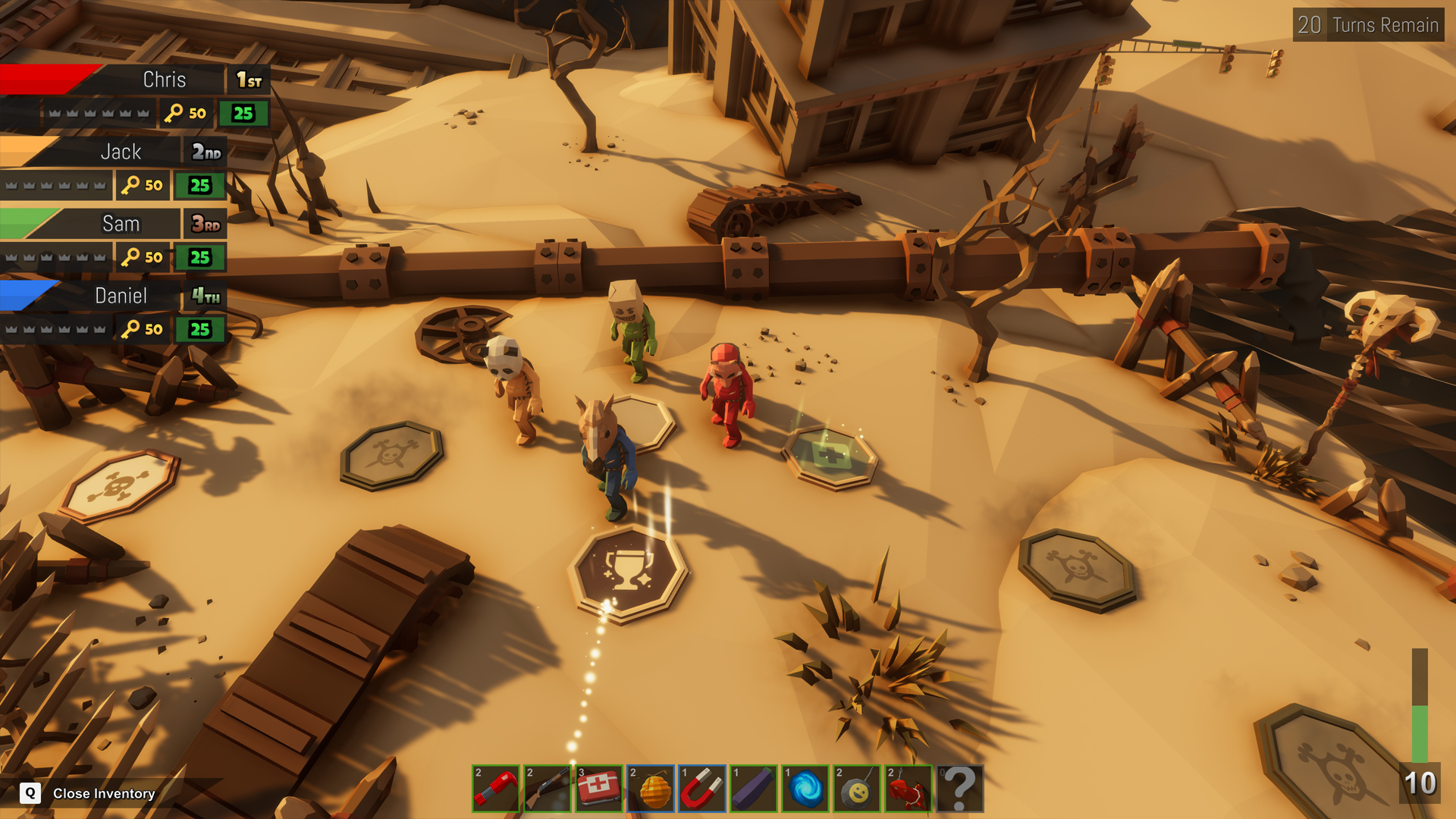
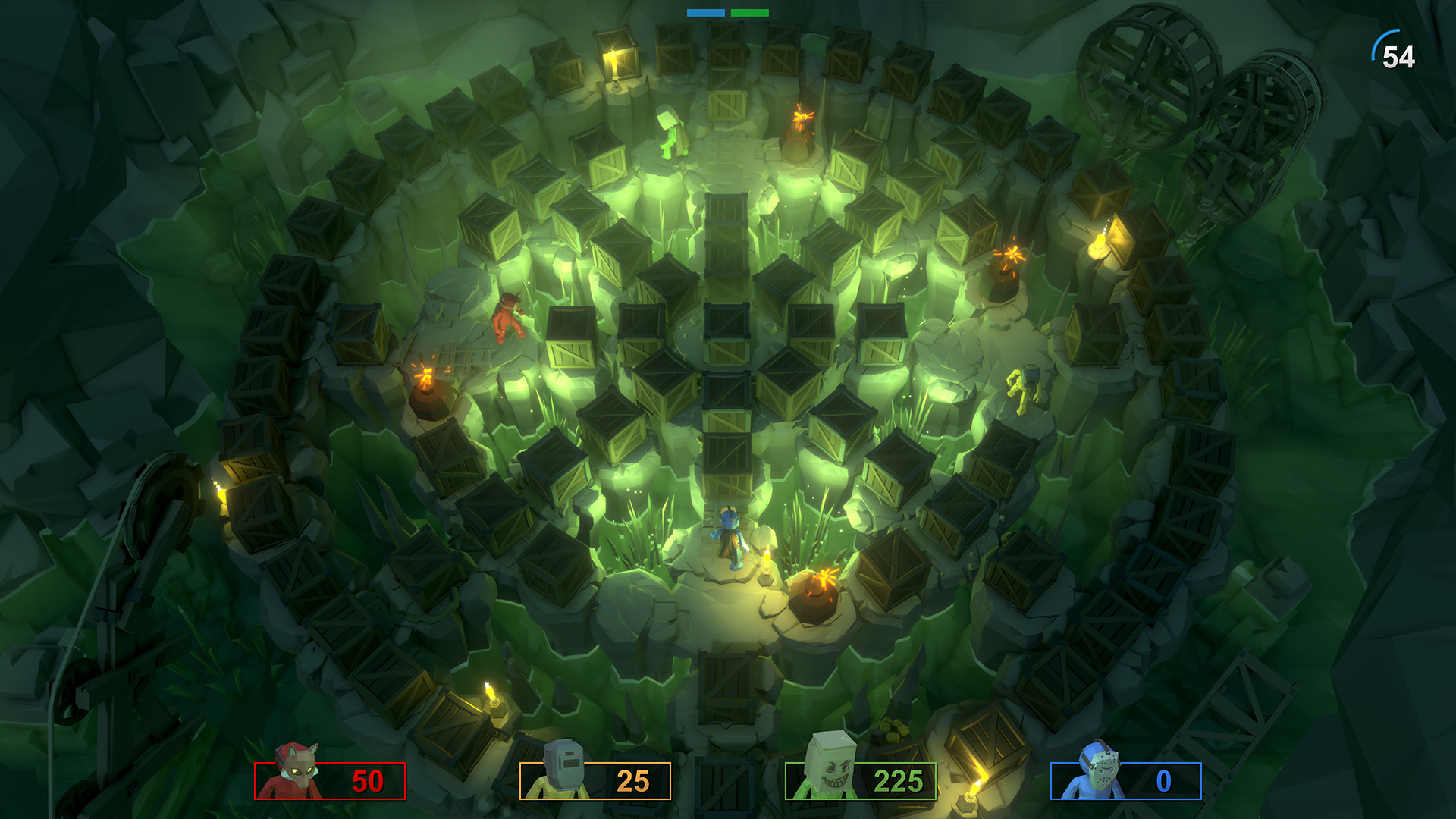
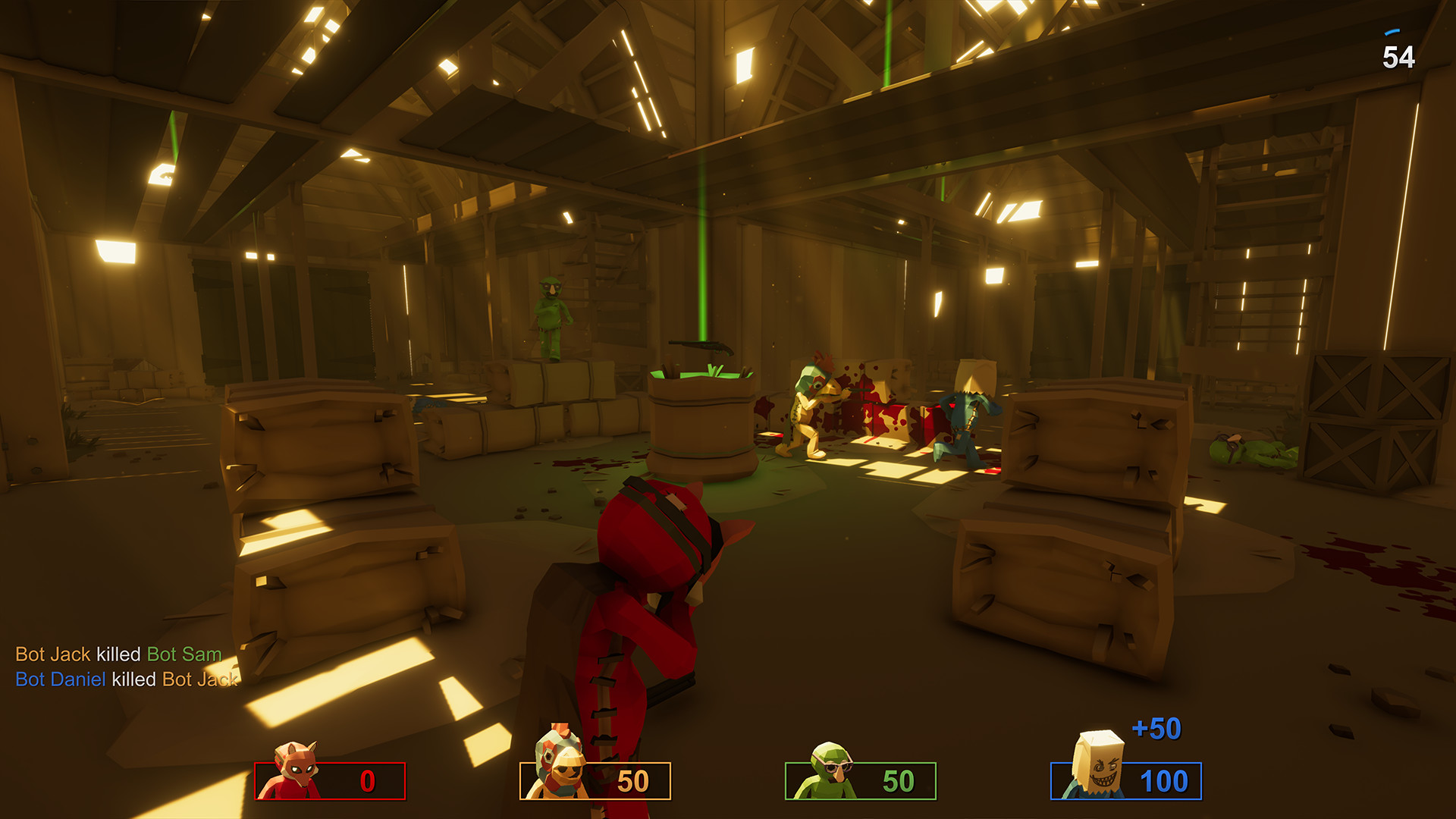
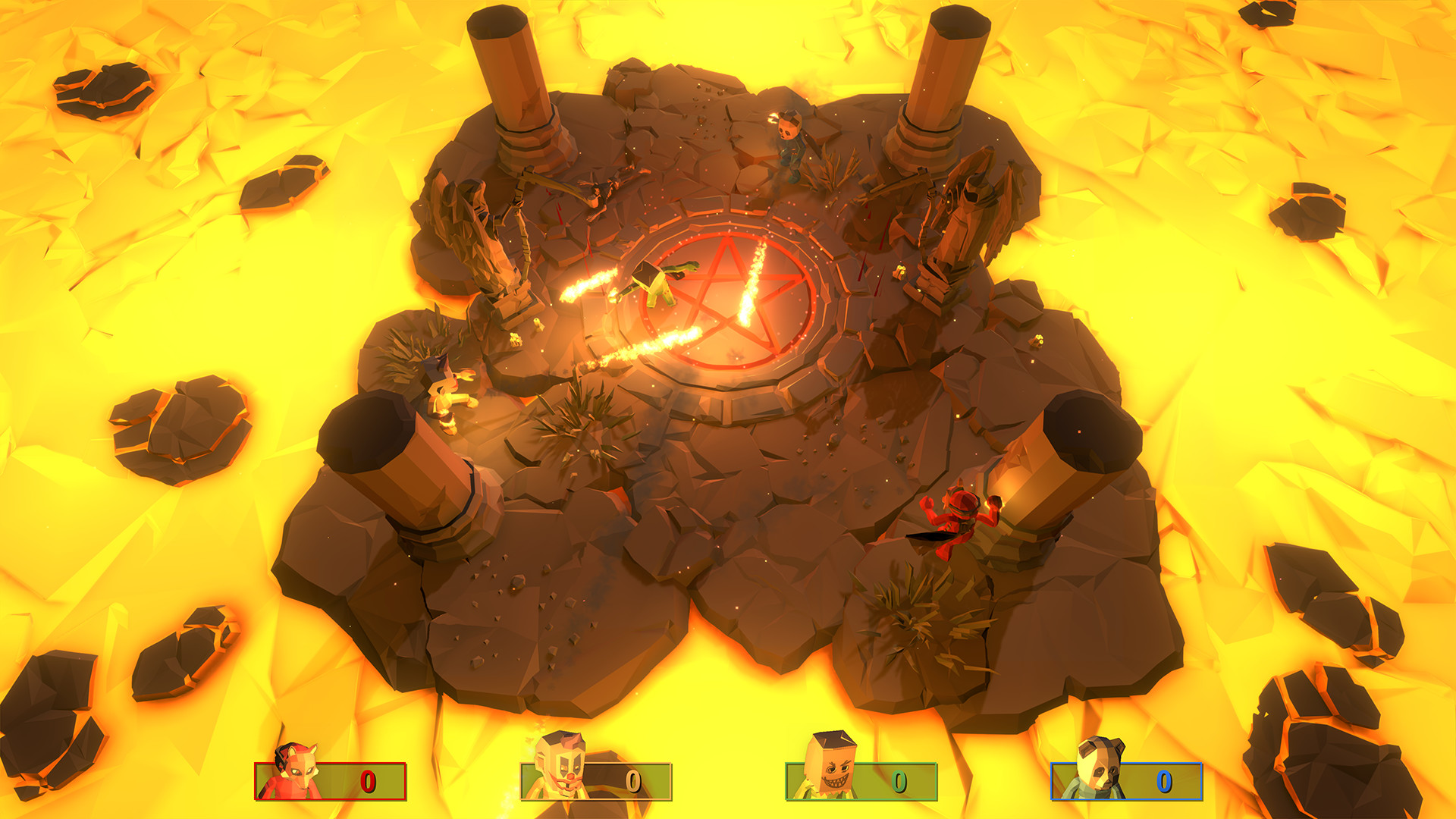
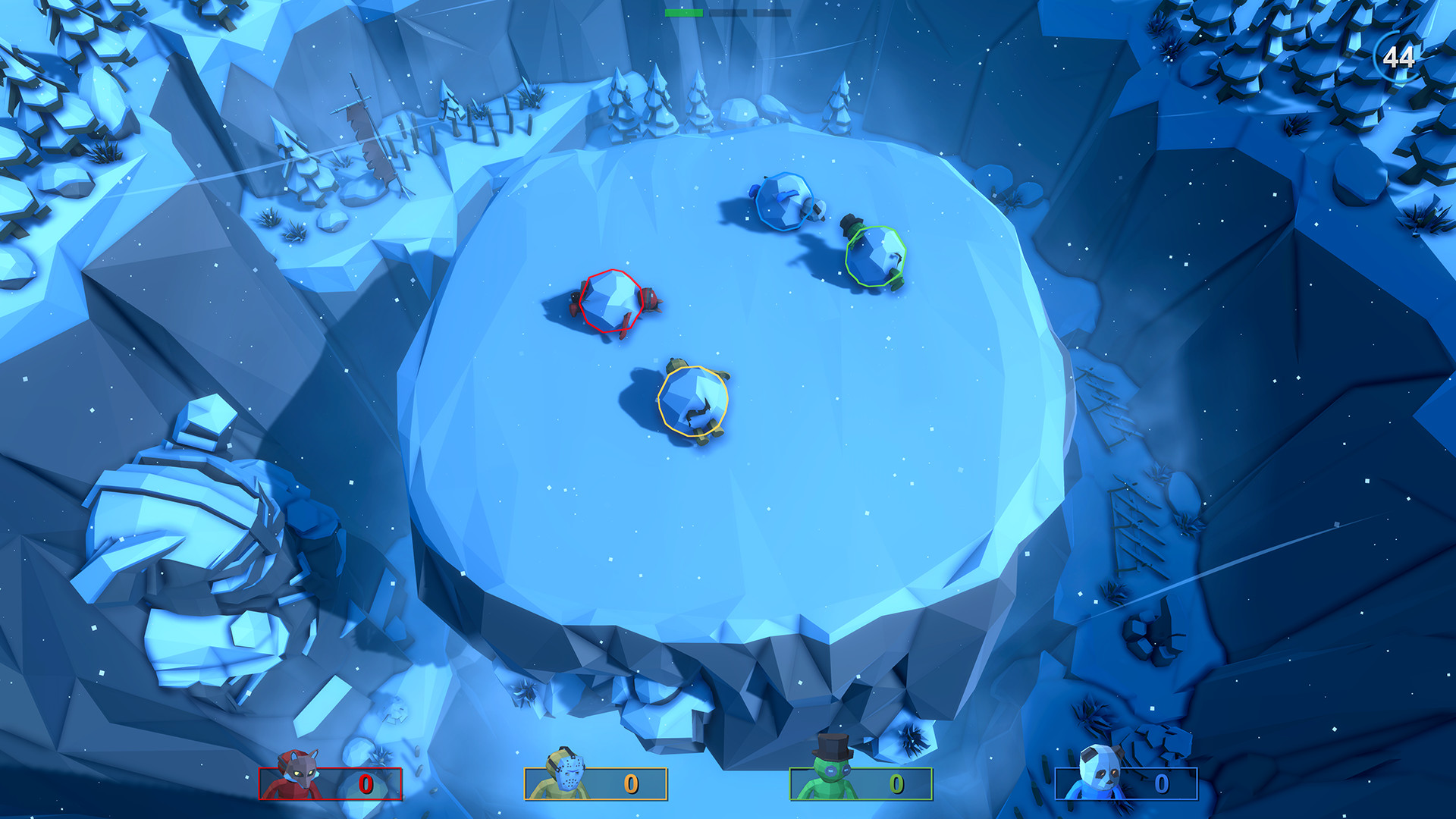
Pummel Party is a 4-8 player online and local-multiplayer party game. Pummel friends or AI using a wide array of absurd items in the board mode and compete to destroy friendships in the unique collection of minigames.
Pummel Party runs excellently on Apple Silicon via CrossOver with D3DMetal enabled, supporting both online play and multiple local controllers.
How Pummel Party runs on your Mac, from our performance model and player reports.
See exactly how Pummel Party will run on your Mac
Pick your chip and RAM for a personalised estimate.
Pummel Party runs excellently on Apple Silicon via CrossOver with D3DMetal enabled, supporting both online play and multiple local controllers.
Here are all the options available, ranked by what we recommend first.
Needs 25+ Mbps internet, wired ideal.
Full Windows 11 ARM inside macOS.
How each supported method stacks up on setup effort, time and runtime overhead.
Live prices compared across trusted PC key sellers — updates every few hours.
Loading per-platform notes…
Idiot-proof walkthroughs for every method.
Streaming Pummel Party through Boosteroid is the fastest way to start playing on a Mac — there's nothing to install, no Windows VM, no compatibility layer. The game runs on a remote GPU and your Mac just receives the video, which means even a base M1 MacBook Air can play the most demanding AAA titles at high settings. The tradeoff is that you need a stable internet connection (ideally wired or 5GHz Wi-Fi with 25+ Mbps down) and a subscription.
Using Parallels to play Pummel Party means running a full copy of Windows 11 ARM inside macOS. This is the most "it just works" approach for games that don't behave under CrossOver, and DirectX 11 is hardware-accelerated. You'll need a Windows license and roughly 80 GB of disk space.
For most Mac players the best way to play Pummel Party is streaming it through Boosteroid. Needs 25+ Mbps internet, wired ideal.
| Method | Quality | Difficulty | Cost |
|---|---|---|---|
| BoosteroidPick | Good | Easy | $9.95 / month |
| Parallels | Estimate | Medium | $99/year + Windows licence |
Share what worked for you running Pummel Party on Mac.
Loading comments…